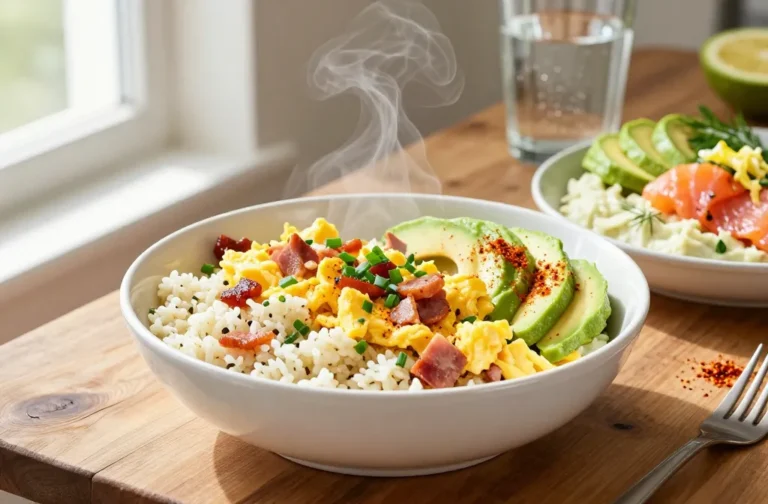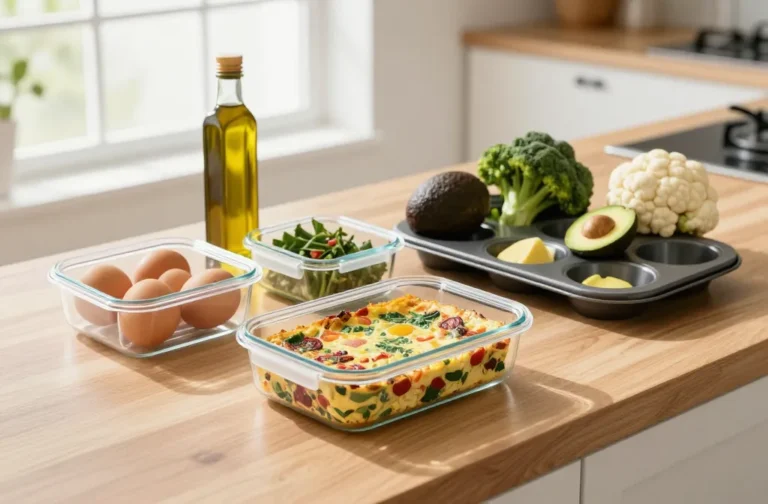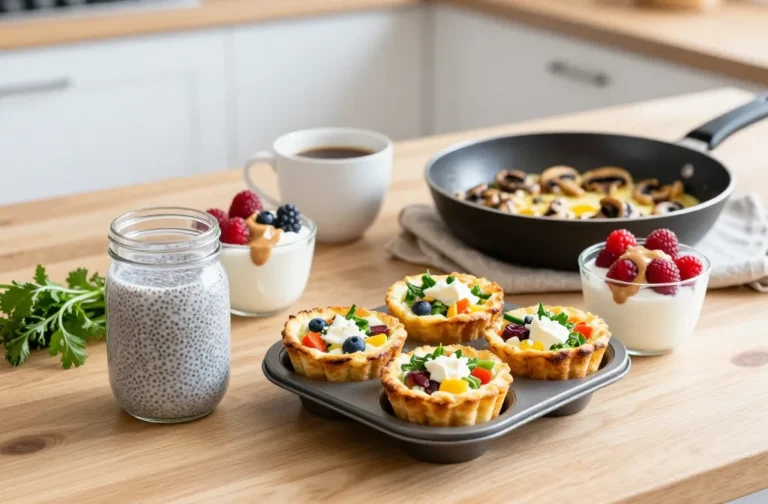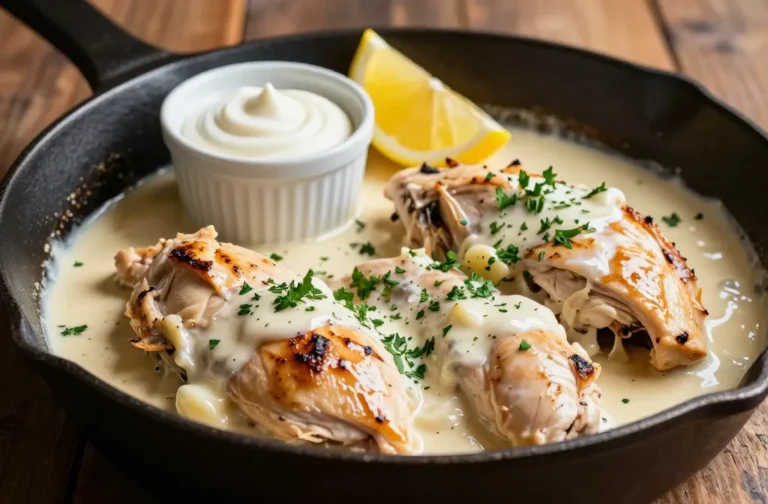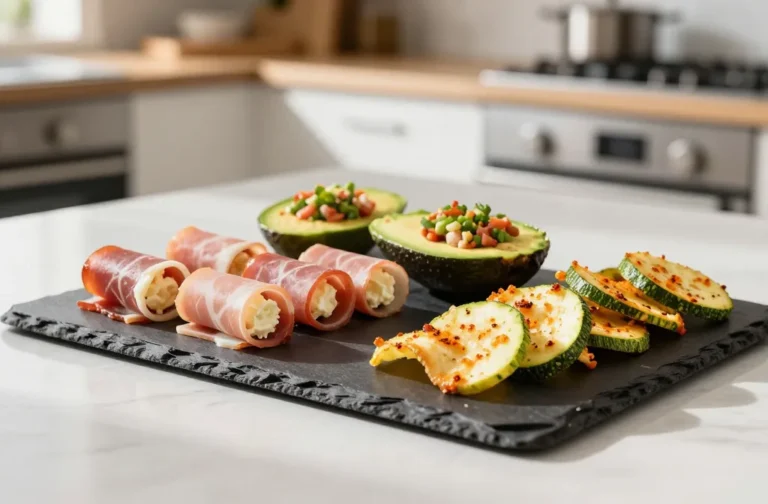
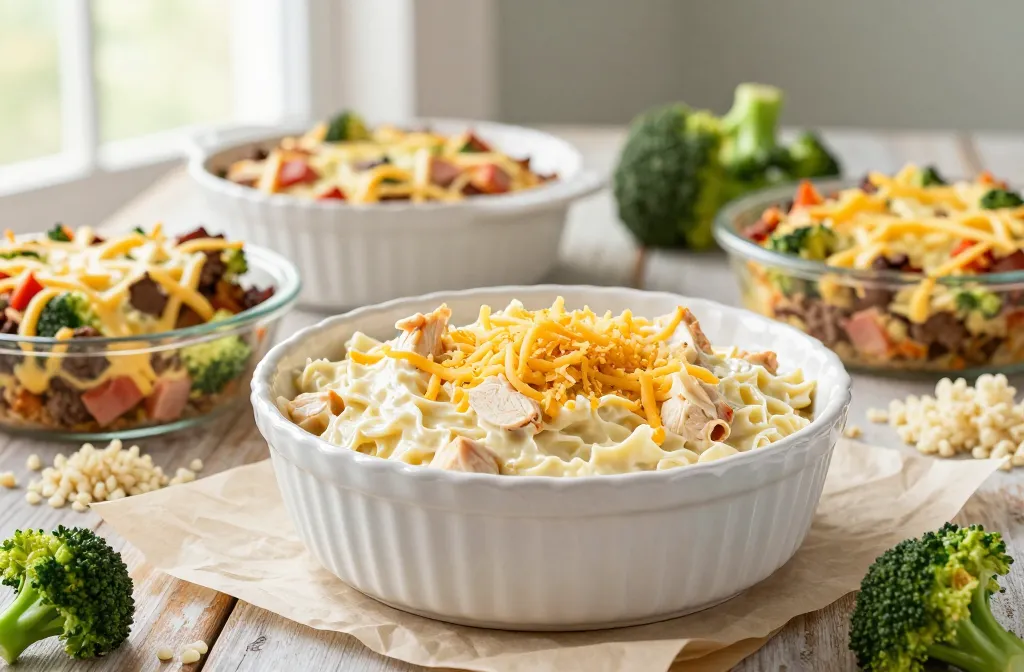
14 keto casseroles with chicken, beef, cauliflower, broccoli, eggs, vegetables, and cheese

14 Keto Casseroles You Can Freeze for Later: Batch-Ready Dinners

Keto casseroles you can freeze for later can make busy weeks easier, but good freezer meals need more than a catchy label. This guide covers 14 practical casserole ideas, along with portioning, cooling, wrapping, thawing, reheating, and ingredient considerations that can affect texture and food safety.

Freezer Food Safety Basics

For safe make-ahead meals, divide cooked food into shallow containers and refrigerate or freeze it promptly rather than leaving it at room temperature to cool completely. For more details, follow USDA guidance for leftovers and food safety, including reheating leftovers and casseroles to an internal temperature of 165°F and using a food thermometer to verify the temperature.

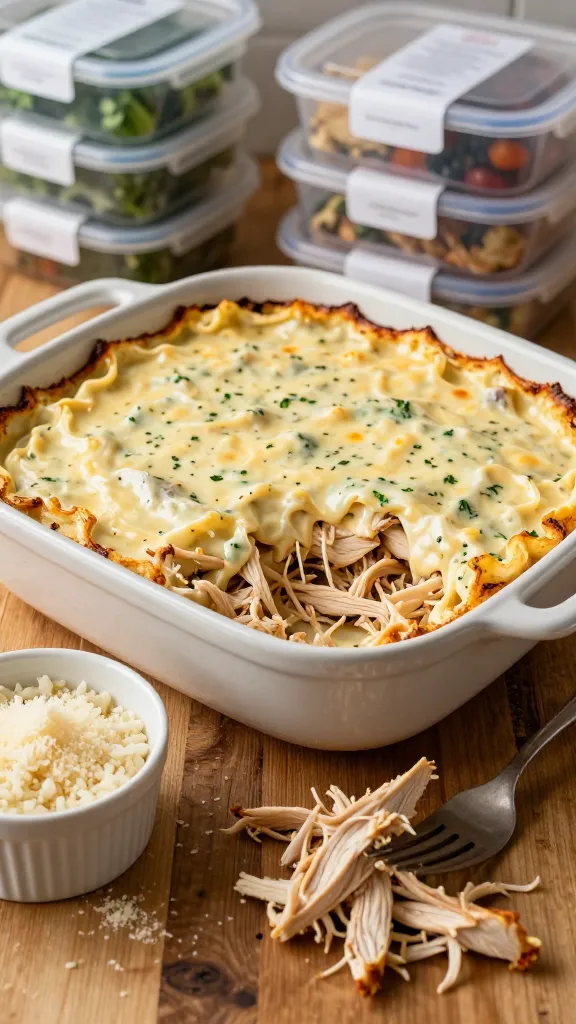
1. Chicken Alfredo Casserole

Chicken Alfredo keto casserole with broccoli, cauliflower, chicken, and creamy cheese sauce

Chicken Alfredo casserole can work well as a make-ahead freezer meal when the sauce is thick enough to hold its texture after thawing. Use fully cooked chicken with a low-carbohydrate pasta substitute or vegetables, and a creamy sauce that is not overly watery.

Freezer and Reheating Tips

  • Divide the cooked casserole into shallow containers and refrigerate or freeze promptly; do not leave it at room temperature to cool completely
  • Divide into meal-size portions before freezing
  • Use airtight freezer-safe containers or wrap tightly to reduce freezer burn
  • Thaw overnight in the refrigerator when possible
  • Reheat until the center reaches 165°F
  • Check Alfredo sauce, cheese, and pasta-substitute labels because carbohydrate and sodium amounts vary

Cream sauces can separate slightly after freezing. Stir the casserole during reheating if possible, and add a small splash of cream or broth only if the texture seems dry.

2. Ham and Broccoli Casserole
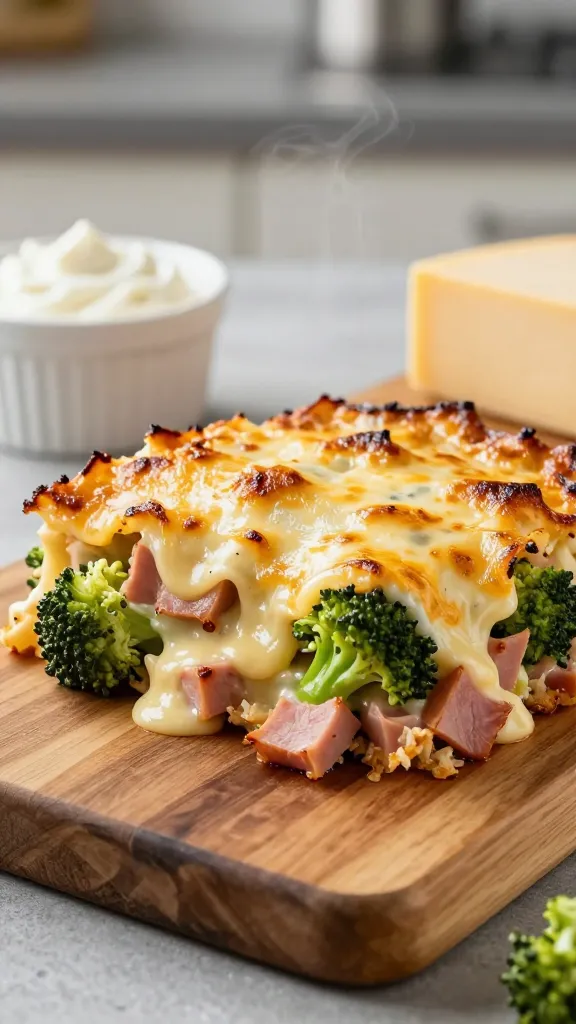
Ham and broccoli keto casserole with melted cheese

Ham and broccoli casserole is a practical way to use cooked ham, but the broccoli should be drained well so excess moisture does not make the casserole watery after thawing. Combine fully cooked ham with broccoli, cheese, eggs, or a creamy binder that fits your preferred carbohydrate range.

Preparation and Freezer Tips

  • Use fully cooked ham and check the label for added sugar
  • Cook or blanch the broccoli, then drain it thoroughly
  • Bake the assembled casserole until the center reaches 165°F
  • Divide the cooked casserole into shallow containers and refrigerate or freeze promptly; do not leave it at room temperature to cool completely
  • Divide into meal-size portions for easier thawing
  • Thaw overnight in the refrigerator when possible
  • Reheat until the center reaches 165°F
  • Compare ham, cheese, and sauce labels for sodium and carbohydrate content

Broccoli can release moisture as it thaws. Reheat the casserole uncovered for part of the time if it seems watery, and stir only if the texture allows.

3. Beef Taco Casserole
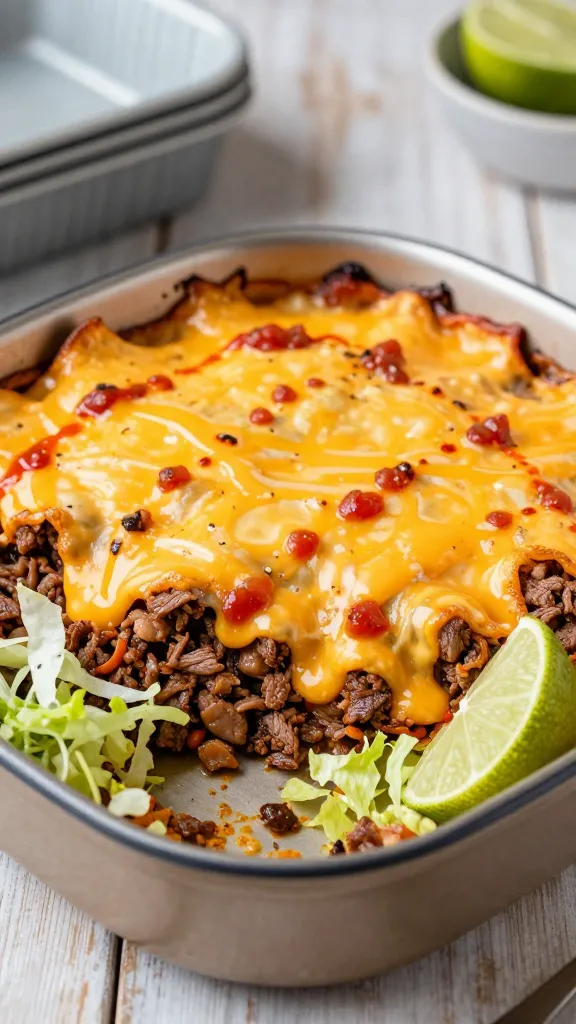
Beef taco keto casserole with seasoned ground beef, melted cheddar cheese, and low-carb taco toppings

Beef taco casserole freezes best when the cooked ground beef mixture is not overly greasy or watery. Drain the meat well, use a low-carbohydrate sauce or salsa, and choose toppings that can handle freezing without becoming soggy.

Freezer-Friendly Tips

  • Cook the ground beef to 160°F, then drain excess fat.
  • Choose salsa, taco sauce, or seasoning with little or no added sugar
  • Divide the cooked casserole into shallow containers and refrigerate or freeze promptly; do not leave it at room temperature to cool completely.
  • Freeze without fresh lettuce, avocado, or sour cream
  • Add fresh toppings only after reheating
  • Thaw overnight in the refrigerator when possible
  • Reheat until the center reaches 165°F
  • Check seasoning packets, salsa, and cheese labels for sodium and carbohydrates

Freeze the casserole with the cooked meat, sauce, and cheese, then add fresh toppings after reheating. This helps preserve texture and keeps delicate ingredients from becoming watery.

4. Spinach, Mushroom, and Sausage Casserole
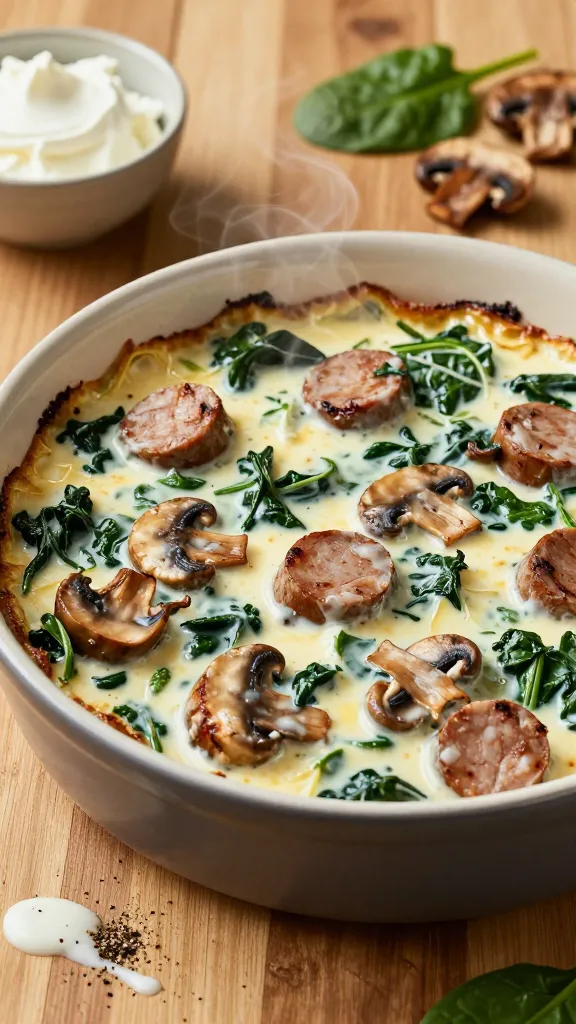
Spinach mushroom and sausage keto casserole with melted cheese

Spinach, mushroom, and sausage casserole can be a practical freezer meal when excess moisture is cooked out before assembly.

Moisture-Control Tips

  • Cook sausage made with beef or pork to 160°F, or poultry sausage to 165°F, then drain excess fat.
  • Sauté mushrooms until most released liquid has evaporated
  • Squeeze excess water from cooked or thawed spinach
  • Divide the cooked casserole into shallow containers and refrigerate or freeze promptly; do not leave it at room temperature to cool completely.
  • Freeze in airtight meal-size portions
  • Thaw overnight in the refrigerator when possible
  • Reheat until the center reaches 165°F
  • Compare sausage, cheese, and sauce labels for sodium, added sugar, and carbohydrates

Mushrooms and spinach can make a casserole watery if they are not drained well. Removing excess moisture before freezing can help reduce a watery texture after thawing and reheating.

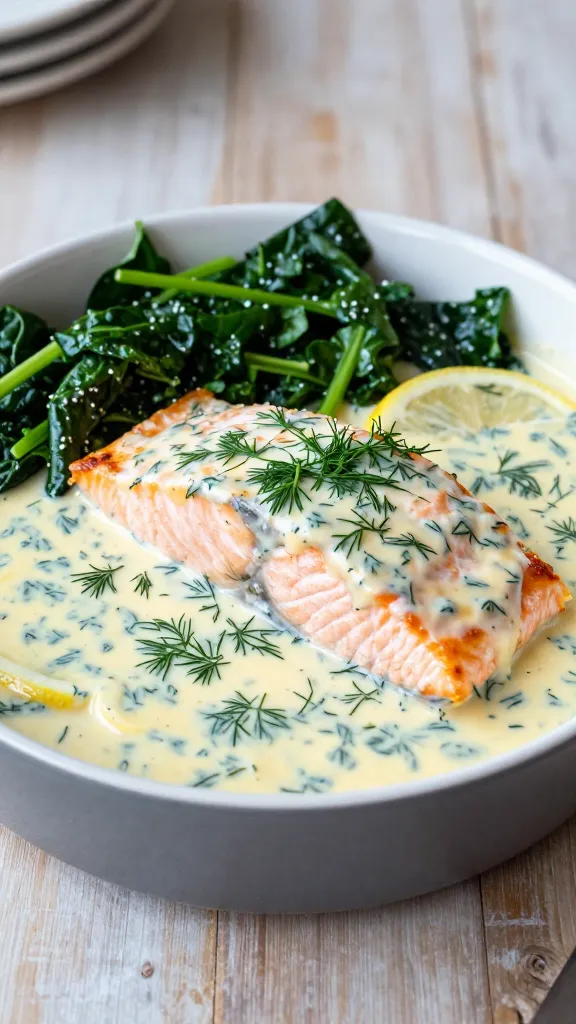
5. Salmon and Dill Cream Casserole

Salmon and dill cream keto casserole with spinach, melted cheese, and fresh dill

Salmon and dill cream casserole can be prepared as a make-ahead meal, but salmon and creamy sauces may change texture after freezing and thawing. Use cooked salmon, a thick dill cream sauce, and well-drained vegetables or greens to help limit excess moisture.

Freezer and Reheating Tips

  • Cook salmon to an internal temperature of 145°F
  • Drain cooked spinach, kale, or other high-moisture vegetables thoroughly before assembling
  • Use a thick cream sauce rather than a thin or watery sauce
  • Divide the cooked casserole into shallow containers and refrigerate or freeze promptly; do not leave it at room temperature to cool completely
  • Freeze in airtight meal-size portions
  • Thaw overnight in the refrigerator when possible
  • Reheat until the center reaches 165°F
  • Reheat gently and avoid unnecessary extra cooking, which can dry out the salmon
  • Check cream, cheese, broth, and sauce labels for carbohydrates and sodium

Because salmon and dairy-based sauces can change texture after freezing, this casserole is best treated as a make-ahead option rather than promising identical fresh-from-the-oven texture after reheating.

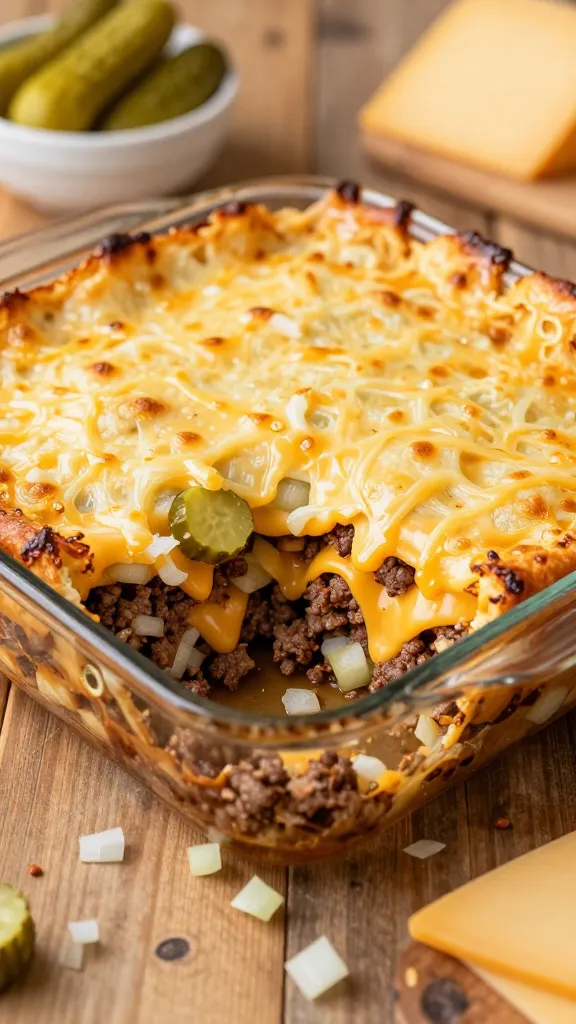
6. Cheeseburger Casserole

Keto cheeseburger casserole with ground beef, onions, melted cheddar cheese, cauliflower, and pickles

Cheeseburger casserole combines ground beef, cheddar, onions, and burger-style seasonings in an easy make-ahead dinner. For better freezer texture, drain the cooked beef well and save crunchy toppings such as pickles for after reheating.

Freezer and Reheating Tips

  • Cook ground beef to an internal temperature of 160°F, then drain excess fat
  • Choose ketchup, burger sauce, or other condiments with little or no added sugar if using them
  • Add fresh or diced pickles after reheating if you want them to stay crisp
  • Divide the cooked casserole into shallow containers and refrigerate or freeze promptly; do not leave it at room temperature to cool completely
  • Freeze in airtight meal-size portions
  • Thaw overnight in the refrigerator when possible
  • Reheat until the center reaches 165°F
  • Check cheese, condiment, and seasoning labels for carbohydrates, added sugar, and sodium

Cheese and cooked ground beef generally make this a practical make-ahead combination, while adding pickles and other crisp toppings after reheating can help preserve their texture.

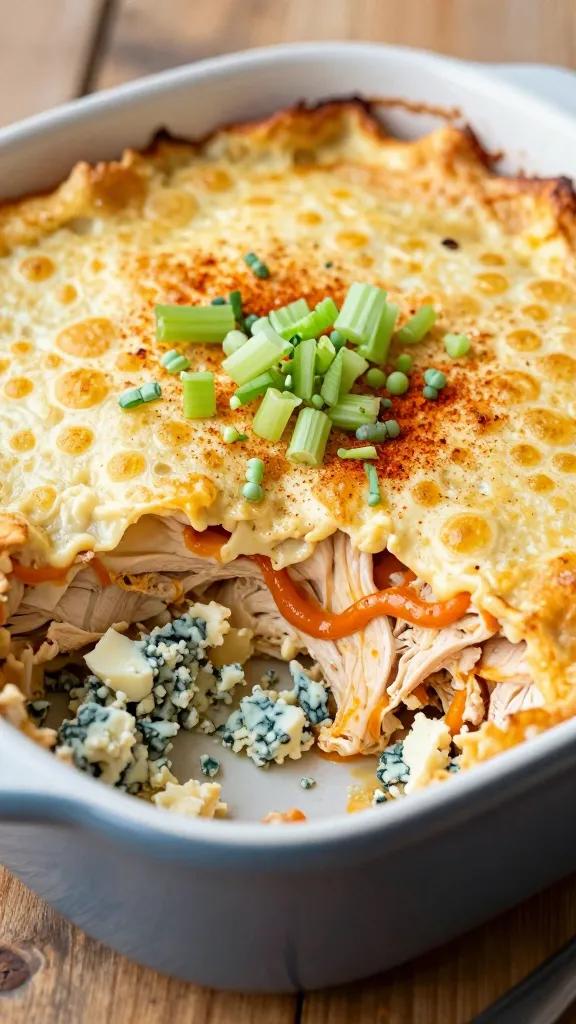
7. Creamy Buffalo Chicken Casserole

Creamy buffalo chicken keto casserole with chicken, cheese, blue cheese, and green onions

Creamy buffalo chicken casserole combines cooked chicken, buffalo-style hot sauce, cheese, and a creamy binder for a spicy make-ahead meal. Use a thick sauce and save crisp toppings such as celery or green onions for after reheating so they do not become soft during freezing and thawing.

Freezer and Reheating Tips

  • If cooking chicken specifically for the casserole, cook it to an internal temperature of 165°F
  • Choose buffalo sauce or hot sauce with little or no added sugar
  • Use a thick cream-cheese or cheese-based mixture rather than a thin sauce
  • Add fresh celery, green onions, or other crisp toppings after reheating
  • Divide the cooked casserole into shallow containers and refrigerate or freeze promptly; do not leave it at room temperature to cool completely
  • Freeze in airtight meal-size portions
  • Thaw overnight in the refrigerator when possible
  • Reheat until the center reaches 165°F
  • Check hot sauce, cream cheese, blue cheese, and other packaged ingredients for carbohydrates, added sugar, and sodium

For the best texture, freeze the creamy chicken mixture without fresh crunchy toppings, then add celery, green onions, or extra blue cheese after reheating.

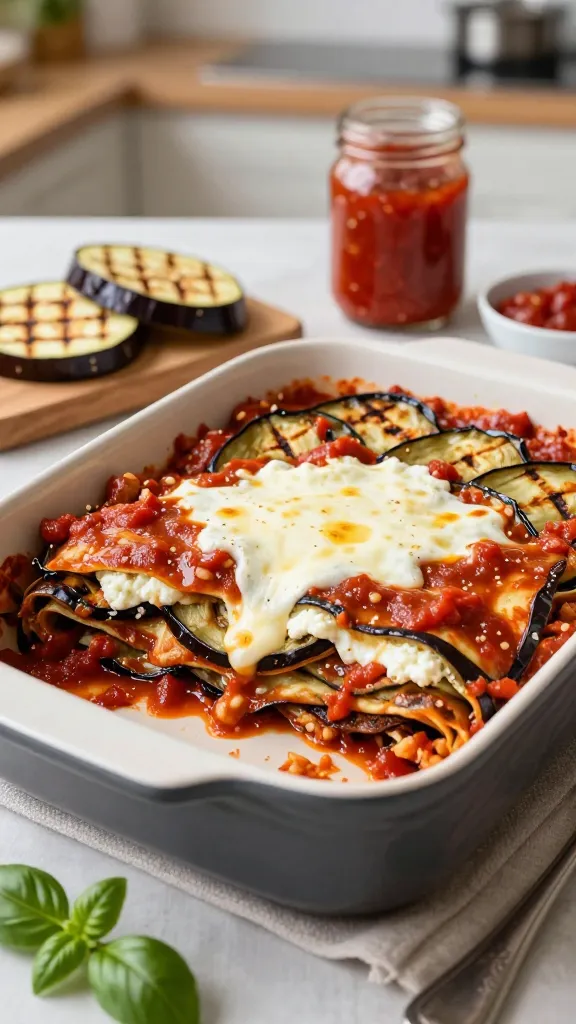
8. Eggplant Lasagna-Style Casserole

Eggplant lasagna-style keto casserole with ricotta, mozzarella, and marinara sauce

Eggplant lasagna-style casserole uses roasted or grilled eggplant in place of pasta, layered with ricotta, mozzarella, and marinara. Because eggplant and tomato sauce can add a lot of moisture, cook the eggplant first and use a thicker sauce to help keep the casserole from becoming watery after freezing and reheating.

Freezer and Reheating Tips

  • Roast or grill the eggplant slices before assembling to remove excess moisture
  • Drain ricotta if it seems watery
  • Choose a thicker marinara and check the label for added sugar and carbohydrates
  • Bake the assembled casserole until the center reaches 165°F
  • Divide the cooked casserole into shallow containers and refrigerate or freeze promptly; do not leave it at room temperature to cool completely
  • Freeze in airtight meal-size portions
  • Thaw overnight in the refrigerator when possible
  • Reheat until the center reaches 165°F
  • Reheat uncovered for part of the time if excess moisture collects after thawing

Pre-cooking the eggplant and controlling excess moisture can help this casserole hold its structure better after freezing, thawing, and reheating.

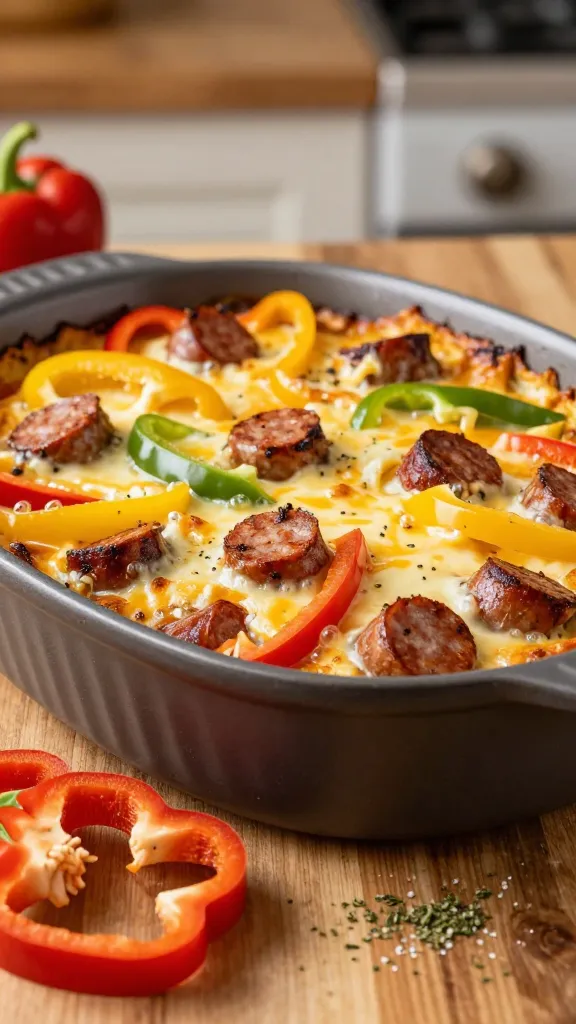
9. Sausage, Pepper, and Pepper Jack Casserole

Sausage pepper and pepper jack keto casserole with colorful bell peppers and melted cheese

Sausage, pepper, and pepper jack casserole combines savory sausage, colorful bell peppers, and melted cheese in an easy make-ahead meal. Because peppers can soften after freezing and reheating, cook them only until just tender before assembling and avoid adding excess liquid.

Freezer and Reheating Tips

  • Cook sausage made with beef or pork to 160°F, or poultry sausage to 165°F, then drain excess fat
  • Slice the peppers evenly and cook them only until just tender
  • Divide the cooked casserole into shallow containers and refrigerate or freeze promptly; do not leave it at room temperature to cool completely
  • Freeze in airtight meal-size portions
  • Thaw overnight in the refrigerator when possible
  • Reheat until the center reaches 165°F
  • Let the casserole rest for a few minutes after reheating before serving
  • Check sausage, pepper jack cheese, and any sauce or seasoning labels for carbohydrates, added sugar, and sodium

For better texture after freezing, avoid overcooking the peppers before assembly and drain any excess liquid before portioning the casserole.

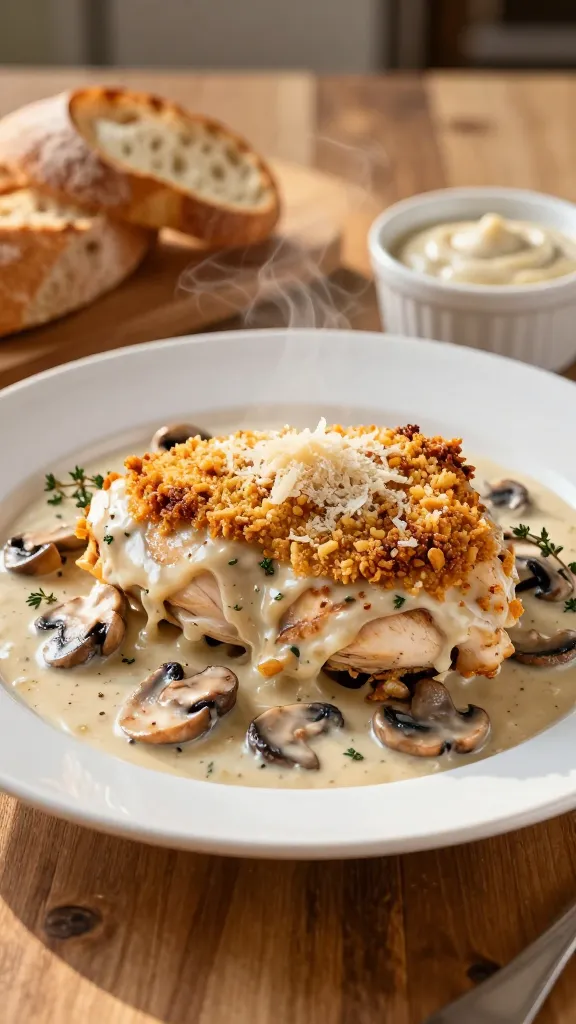
10. Creamy Mushroom Chicken Casserole

Creamy mushroom chicken keto casserole with chicken, mushrooms, Parmesan, and creamy sauce

Creamy mushroom chicken casserole combines cooked chicken, mushrooms, Parmesan, and a thick cream sauce in a rich make-ahead meal. Because mushrooms and dairy-based sauces can release moisture or separate slightly after freezing, cook the mushrooms down well and use a thicker sauce before assembling.

Freezer and Reheating Tips

  • If cooking chicken specifically for the casserole, cook it to an internal temperature of 165°F
  • Sauté mushrooms until most of their released liquid has evaporated
  • Use a thick cream sauce rather than a thin or watery sauce
  • If using a Parmesan topping, add or refresh it after reheating if you want a crisper finish
  • Divide the cooked casserole into shallow containers and refrigerate or freeze promptly; do not leave it at room temperature to cool completely
  • Freeze in airtight meal-size portions
  • Thaw overnight in the refrigerator when possible
  • Reheat until the center reaches 165°F
  • Check cream, Parmesan, broth, and any packaged sauce or seasoning labels for carbohydrates and sodium

Mushrooms and creamy sauces may change texture after freezing, so removing excess moisture before freezing and reheating gently can help reduce separation and sogginess.

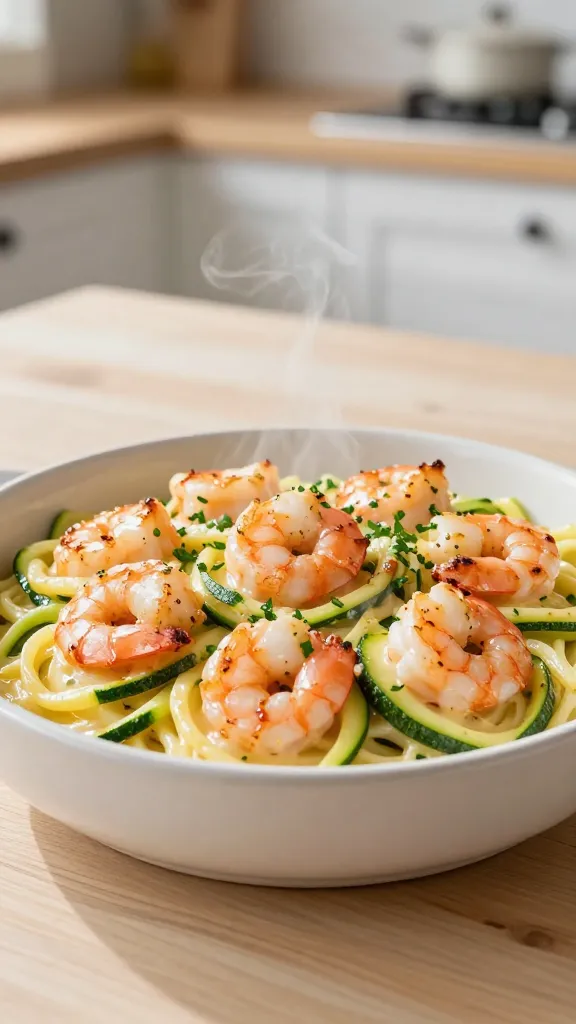
11. Shrimp and Zucchini Noodle Casserole

Shrimp and zucchini noodle keto casserole with creamy sauce, cheese, and fresh herbs

Shrimp and zucchini noodle casserole can work as a make-ahead meal, but zucchini noodles may soften and release extra moisture after freezing. Lightly cook and drain the zucchini well, pat the shrimp dry, and use a thicker cream sauce to help reduce excess liquid after thawing and reheating.

Freezer and Reheating Tips

  • Pat the shrimp dry before cooking or assembling
  • If cooking shrimp separately, cook it to 145°F or until the flesh is firm, pearly, and opaque
  • Lightly cook the zucchini noodles, then drain and pat them dry to remove as much moisture as possible
  • Use a thick cream sauce rather than a thin or watery sauce
  • Avoid overcooking the shrimp, which can make it tough during reheating
  • Divide the cooked casserole into shallow containers and refrigerate or freeze promptly; do not leave it at room temperature to cool completely
  • Freeze in airtight meal-size portions
  • Thaw overnight in the refrigerator when possible
  • Reheat until the center reaches 165°F
  • If excess liquid collects after thawing, reheat uncovered for part of the time
  • Check cream, broth, cheese, and packaged seasoning labels for carbohydrates and sodium

Because zucchini noodles contain a lot of water, expect them to be softer after freezing and thawing than when freshly prepared. Removing excess moisture before freezing can help reduce a watery casserole after reheating.

12. Egg Bake Breakfast Casserole

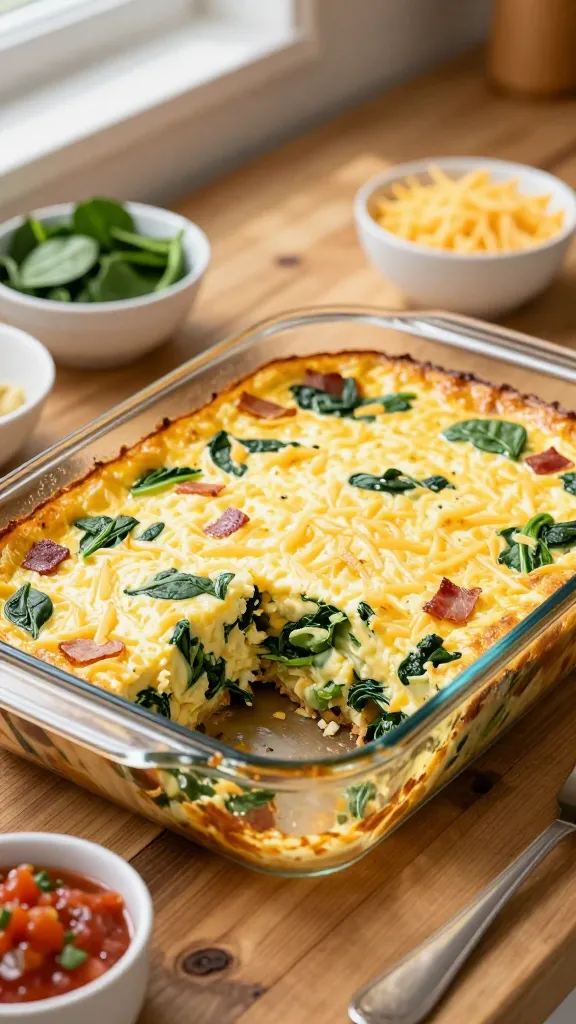
Egg bake keto breakfast casserole with eggs, spinach, cheese, and bacon

Egg bake breakfast casserole combines eggs, cheese, spinach, and cooked bacon or sausage in an easy make-ahead meal. Egg-based casseroles can change texture somewhat after freezing, so drain high-moisture vegetables well and avoid adding excess liquid before baking.

Freezer and Reheating Tips

  • Use fully cooked bacon or sausage before assembling the casserole
  • Drain cooked or thawed spinach thoroughly to remove excess moisture
  • Bake the egg casserole until the center reaches 160°F
  • Divide the cooked casserole into shallow containers or meal-size portions and refrigerate or freeze promptly; do not leave it at room temperature to cool completely
  • Freeze in airtight freezer-safe containers
  • Thaw overnight in the refrigerator when possible
  • Reheat until the center reaches 165°F
  • Add hot sauce, salsa, avocado, or other fresh toppings after reheating
  • Check cheese, sausage, bacon, salsa, and other packaged ingredients for carbohydrates, added sugar, and sodium

Egg casseroles may become slightly firmer after freezing and reheating. Removing excess moisture from vegetables and reheating only until the center reaches 165°F can help limit unwanted texture changes.

13. Creamy Pesto Chicken Casserole with Sun-Dried Tomatoes

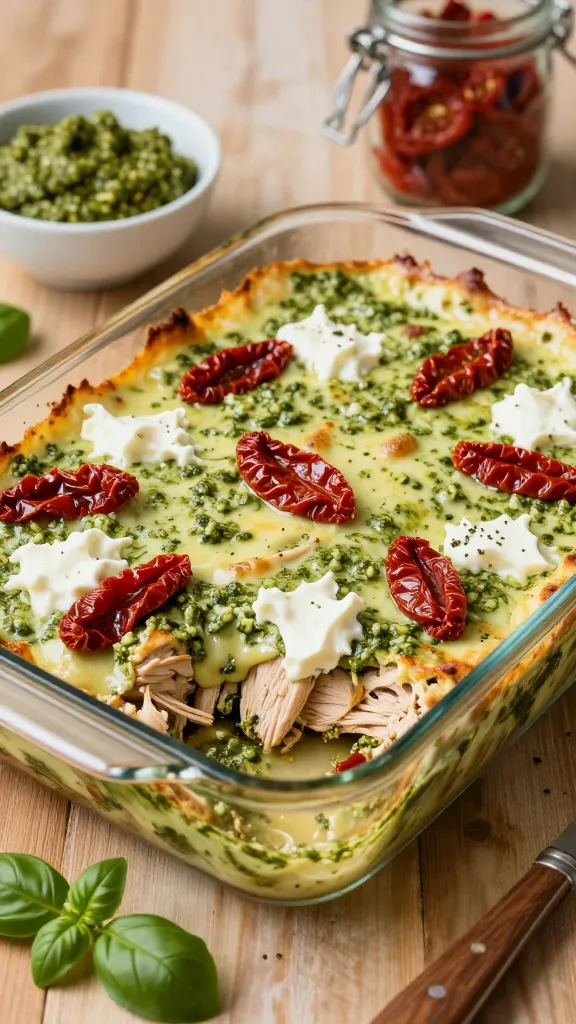
Creamy pesto chicken keto casserole with sun-dried tomatoes, cheese, and basil

Creamy pesto chicken casserole combines cooked chicken, pesto, cream cheese, and sun-dried tomatoes in a rich make-ahead meal. Because creamy sauces can change texture after freezing, use a thicker mixture and avoid adding excess liquid before portioning the casserole.

Freezer and Reheating Tips

  • If cooking chicken specifically for the casserole, cook it to an internal temperature of 165°F
  • Drain oil-packed sun-dried tomatoes well before adding them
  • Use a thick pesto and cream-cheese mixture rather than a thin sauce
  • Divide the cooked casserole into shallow containers and refrigerate or freeze promptly; do not leave it at room temperature to cool completely
  • Freeze in airtight meal-size portions
  • Thaw overnight in the refrigerator when possible
  • Reheat until the center reaches 165°F
  • Stir or gently redistribute the creamy sauce after reheating if the texture separates slightly
  • Check pesto, cream cheese, sun-dried tomatoes, and any packaged seasonings for carbohydrates, added sugar, and sodium

Creamy sauces may separate slightly after freezing and thawing. Reheating gently and stirring the sauce when possible can help bring the mixture back together.

14. Bacon Cauliflower Mac and Cheese Casserole

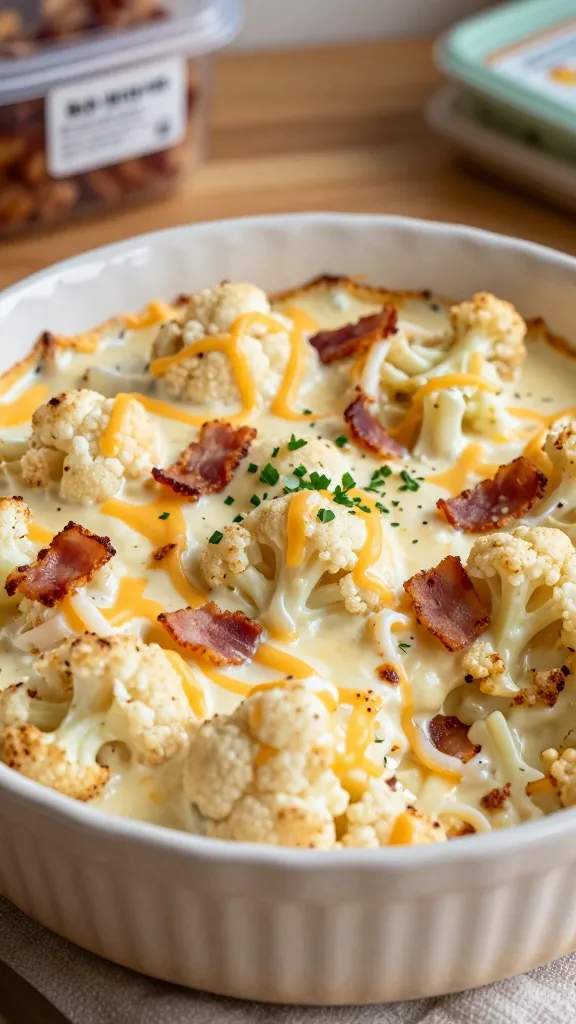
Bacon cauliflower mac and cheese keto casserole with creamy cheese sauce

Bacon cauliflower mac and cheese casserole uses cauliflower in place of pasta with a creamy cheese sauce and cooked bacon. Because cauliflower can release moisture and cheese sauces may change texture after freezing, drain the cauliflower well and use a thick cheese sauce before assembling.

Freezer and Reheating Tips

  • Cook or roast the cauliflower until just tender, then drain it thoroughly
  • Use fully cooked bacon and drain excess grease before adding it
  • Use a thick cheese sauce rather than a thin or watery sauce
  • Reserve a little cheese or crisp bacon for adding after reheating if you want a fresher topping
  • Divide the cooked casserole into shallow containers and refrigerate or freeze promptly; do not leave it at room temperature to cool completely
  • Freeze in airtight meal-size portions
  • Thaw overnight in the refrigerator when possible
  • Reheat until the center reaches 165°F
  • Reheat uncovered for part of the time if excess moisture collects after thawing
  • Check cheese, bacon, cream, and packaged sauce ingredients for carbohydrates, added sugar, and sodium

Cauliflower and cheese sauce can both change texture after freezing. Draining the cauliflower well and reheating gently can help reduce excess moisture and sauce separation.

Keto Casseroles You Can Freeze for Later: Final Tips

Freezer-friendly keto casseroles can make busy weeks easier when you focus on moisture control, safe cooling, careful thawing, and reheating to the proper temperature. Start with one or two casseroles that fit your routine, portion them before freezing, label the containers, and expect some ingredients—especially creamy sauces, egg dishes, and high-moisture vegetables—to change texture slightly after thawing.

With a little planning, these make-ahead casseroles can give you practical dinner options without relying on last-minute meal decisions. Choose the combinations that work best for you, follow the storage and reheating guidance in each section, and build your freezer stash gradually.

Similar Posts

One Comment

Comments are closed.